
For decades, the story was about Indian students leaving. In 2025, that story has a second chapter — and it changes everything for UK and US institutions.
 Foreign campuses confirmed for 2025–26 | 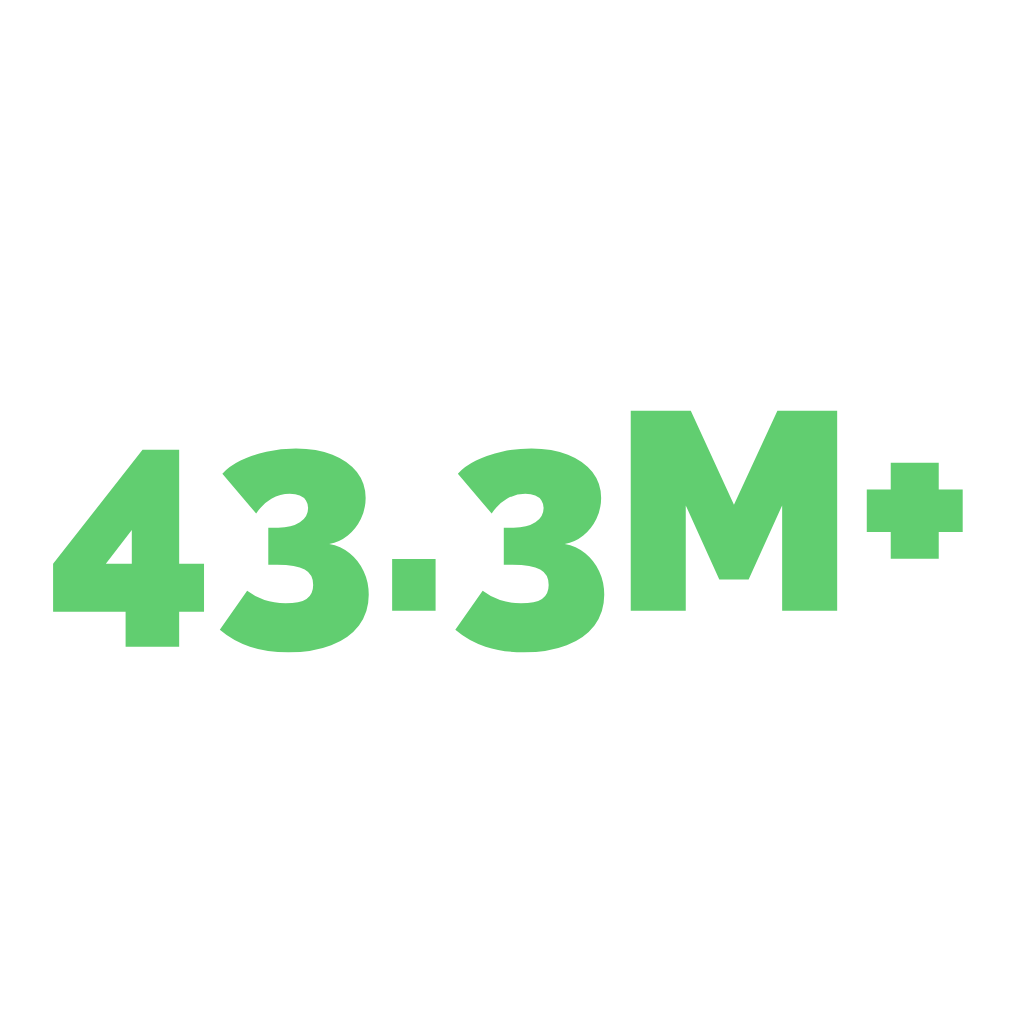 Students in Indian higher education | 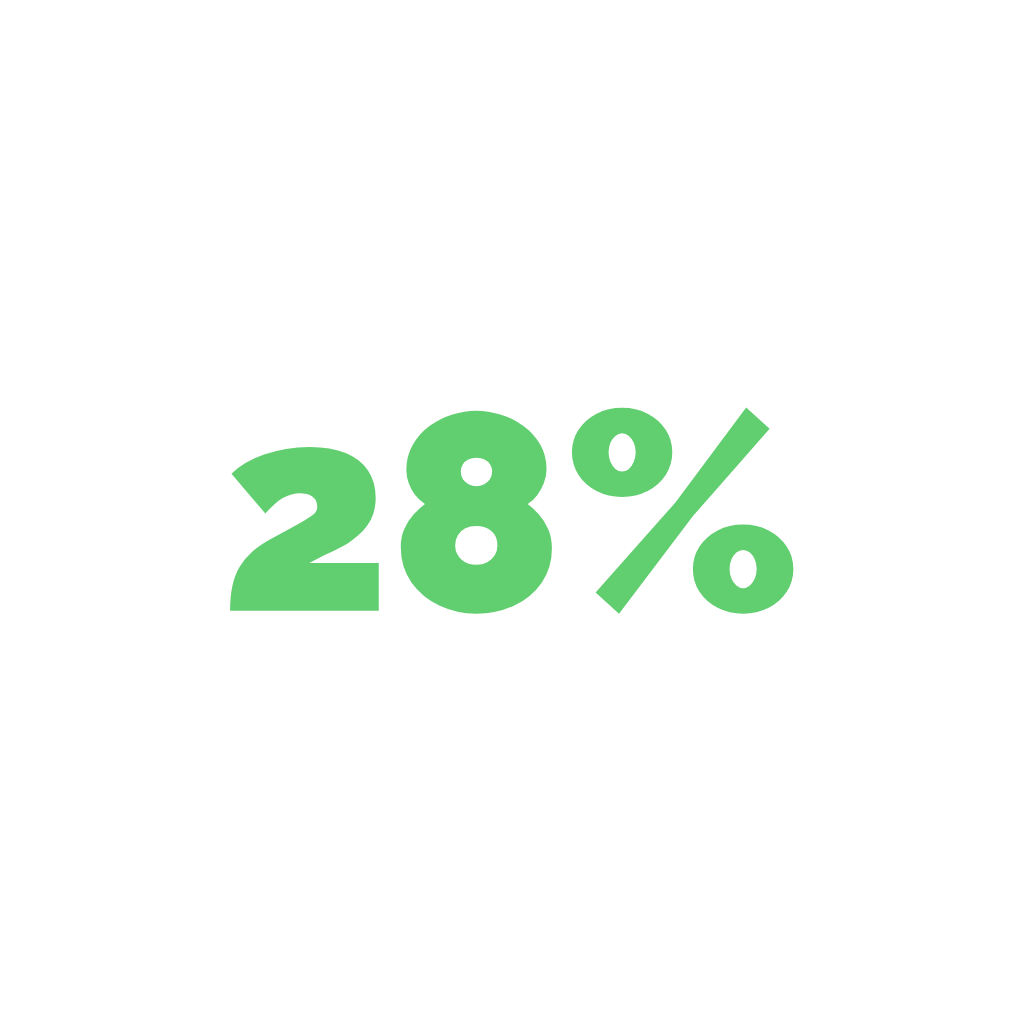 India’s current Gross Enrolment Ratio | 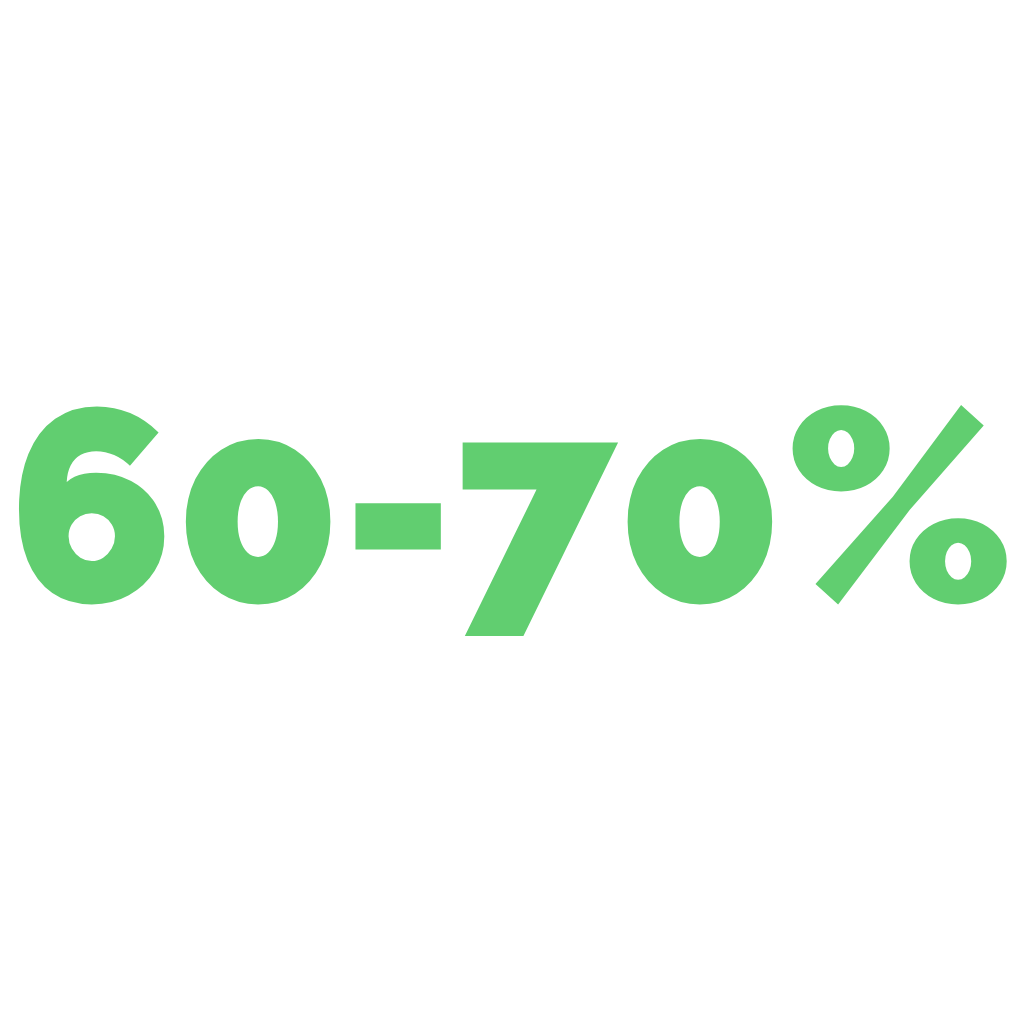 Cost saving vs. studying abroad |
The Story Everyone Is Missing
When people discuss India’s overseas education market, they almost always mean one thing: the 1.88 million Indian students currently studying abroad, spending an estimated $28–30 billion a year on degrees in the UK, US, Canada, and Australia.
But in 2025, a second story is reshaping the market entirely. Foreign universities are no longer only attracting Indian students — they are coming to India directly. Setting up campuses. Enrolling students. Awarding internationally recognised degrees on Indian soil.
As of early 2026, 15 foreign universities have confirmed campuses for the 2025–26 academic year. Two are already fully operational with their first graduating cohorts. The regulatory framework is in place, the commercial model is being tested, and the implications for every UK and US education provider are only beginning to unfold.
What Changed: The 2023 UGC Regulations
India’s path to hosting foreign campuses was blocked for over a decade. The Foreign Educational Institutions Bill of 2010 lapsed without passing, leaving the market effectively closed to autonomous foreign institutions.
That changed in November 2023 when the University Grants Commission published its landmark FHEI (Foreign Higher Educational Institutions) Regulations — the most significant opening of India’s higher education market since independence. The key provisions that make the commercial model viable are:
• Full fee autonomy — institutions set their own tuition fees with no government cap
• Fund repatriation rights — surplus revenue can be sent back to the home campus
• Admission independence — not tied to India’s national entrance exams (JEE, NEET, CUET)
• Degree equivalence recognition — India-awarded degrees carry identical status to the home campus qualification
• Faculty recruitment freedom — hire internationally or locally, on institution’s own terms
Eligibility requires a top-500 global ranking (QS, THE, or ARWU — overall or subject-specific). Approval follows a 60-day UGC review, with a 2-year window to establish the campus and a 10-year initial operating licence.
Who Is Already In India
| University | Country | Location | Status |
| Deakin University (QS #197) | Australia | GIFT City, Gujarat | Operational since July 2024 |
| University of Wollongong (QS #167) | Australia | GIFT City, Gujarat | Operational since Nov 2024 |
| University of Southampton (QS #81) | UK | Gurugram, Haryana | First cohort enrolled 2025 |
| Queen’s University Belfast | UK | GIFT City, Gujarat | Launched January 2026 |
| Coventry University | UK | GIFT City, Gujarat | Launched January 2026 |
| University of Liverpool (QS #175) | UK | Bengaluru, Karnataka | Launching 2026–27 |
| Illinois Institute of Technology | USA | Mumbai, Maharashtra | First US university in India — 2026 |
| Victoria University | Australia | TBC | Confirmed for 2026 |
| Western Sydney University | Australia | TBC | Confirmed for 2026 |
| India’s Education Minister Dharmendra Pradhan confirmed in May 2025 that 15 foreign universities will have campuses operational by the close of the 2025–26 academic year — up from zero before the UGC granted its first approvals to Deakin and Wollongong in 2022. |
Why Now: The Drivers Behind the Shift
The timing is not coincidental. Four converging forces have made India the world’s most compelling branch campus opportunity in 2025:
• Unmet demand: India has 43.3 million higher education students but a Gross Enrolment Ratio of only 28% against a NEP 2020 target of 50% by 2035. Tens of millions of aspirational students cannot access the quality of education they want domestically.
• The cost proposition: A foreign degree earned in India costs 60–70% less than the equivalent programme on the home campus — without visa complexity or family separation. For India’s rapidly growing upper-middle class, this is transformative.
• The Canada and Australia visa correction: Both countries tightened international student policies dramatically in 2023–24, reducing post-study work rights and capping enrolments. Indian student numbers fell. An India-based foreign degree absorbs that displaced demand directly.
• Revenue pressure on UK and US universities: With domestic tuition fees frozen below inflation and research funding constrained, international student revenue is existential for many UK institutions. An India campus diversifies the base and deepens country relationships.
What Year One Actually Looked Like
Deakin’s first India cohort was 43 students; Wollongong’s was 9 — a combined 52, small by home-campus standards but above both institutions’ internal projections. Fees were calibrated at ₹16–22 lakh (~£14,000–£20,000) per postgraduate programme — Deakin later adjusted downward by 20–25% after a market correction.
The headline milestone was placement: nearly a quarter of Deakin’s first Master of Business Analytics cohort secured roles at the National Australia Bank Innovation Centre within GIFT City — validating the employer-connected campus model that GIFT City is built around.
The honest challenges: physical infrastructure is office-floor rather than campus, foreign faculty recruitment has been difficult, and Indian student expectations around guaranteed placement required cultural recalibration. Year one confirms the model is viable — but that it requires patient, positioning-specific strategy, not a carbon copy of the home campus experience.
What This Means for UK & US Education Providers
Foreign campuses don’t just add a new institutional type to India’s higher education landscape — they restructure the entire ecosystem. EdTech companies, International curriculum providers, and publishers, campuses are a new B2B procurement channel.
For study abroad agents, they represent both competition and a new advisory service to offer. For UK and US universities still on the sidelines, the window for first-mover positioning is open — but it closes as more institutions commit.
India Market Entry (IME) has spent over a decade building relationships across India’s higher education landscape — 2,000+ colleges and universities, 300+ study abroad consultants, and direct connections with the GIFT City ecosystem and UGC advisory network. Whether you are assessing the opportunity or ready to execute, IME provides the market intelligence, partnerships, and on-ground presence to make the difference.
| Ready to explore what India’s overseas education market means for your institution or organisation? Speak to the IME team: contact@indiamarketentry.com | training.knotral.com |
Frequently Asked Questions
Q: Why are foreign universities setting up campuses in India?
Four key drivers: India’s massive unmet demand for quality higher education (43.3M students, GER of 28%); the 60–70% cost saving of an India-based foreign degree vs. studying abroad; the post-2023 visa tightening in Canada and Australia which redirected Indian student demand; and the 2023 UGC FHEI Regulations which for the first time provide fee autonomy, fund repatriation rights, and degree equivalence recognition that make the commercial model viable.
Q: Which foreign universities have campuses in India in 2025–26?
Operational campuses include Deakin University and the University of Wollongong (both GIFT City, Gujarat, since 2024) and the University of Southampton (Gurugram, 2025). Launched in January 2026: Queen’s University Belfast and Coventry University (both GIFT City). Launching in 2026–27: University of Liverpool (Bengaluru) and Illinois Institute of Technology (Mumbai — the first US university). India’s Education Minister confirmed 15 campuses for the 2025–26 academic year.
Q: What are the UGC regulations for foreign universities entering India?
The UGC FHEI Regulations 2023 require institutions to hold a top-500 global ranking (QS, THE, or ARWU). Approved institutions go through a 60-day UGC review, must establish their campus within 2 years of approval, and receive a 10-year initial operating licence. They have full autonomy over admissions, fees, faculty recruitment, and can repatriate surplus funds to the home institution.
Q: Is GIFT City the only location for foreign university campuses in India?
No. GIFT City (Gujarat International Finance Tec-City) hosts the pioneering campuses of Deakin, Wollongong, Queen’s Belfast, and Coventry. However the UGC FHEI Regulations allow campuses anywhere in India. The University of Southampton is in Gurugram, University of Liverpool is entering Bengaluru, and Illinois Institute of Technology is targeting Mumbai.
Q: How can a UK or US university explore setting up a campus in India?
Start by confirming top-500 ranking eligibility under the UGC FHEI Regulations 2023. If eligible, apply online through the UGC for in-principle approval (60-day review), then establish the campus within 2 years. For the commercial and strategic assessment stage — market sizing, location selection, Indian partner HEI mapping, and regulatory navigation — working with an India education market entry specialist like IME significantly accelerates the process.