
Everyone is watching PhysicsWallah and upGrad battle for consumer dominance. But the real EdTech growth story in India is in the institutions — and it is almost entirely untouched by global providers.
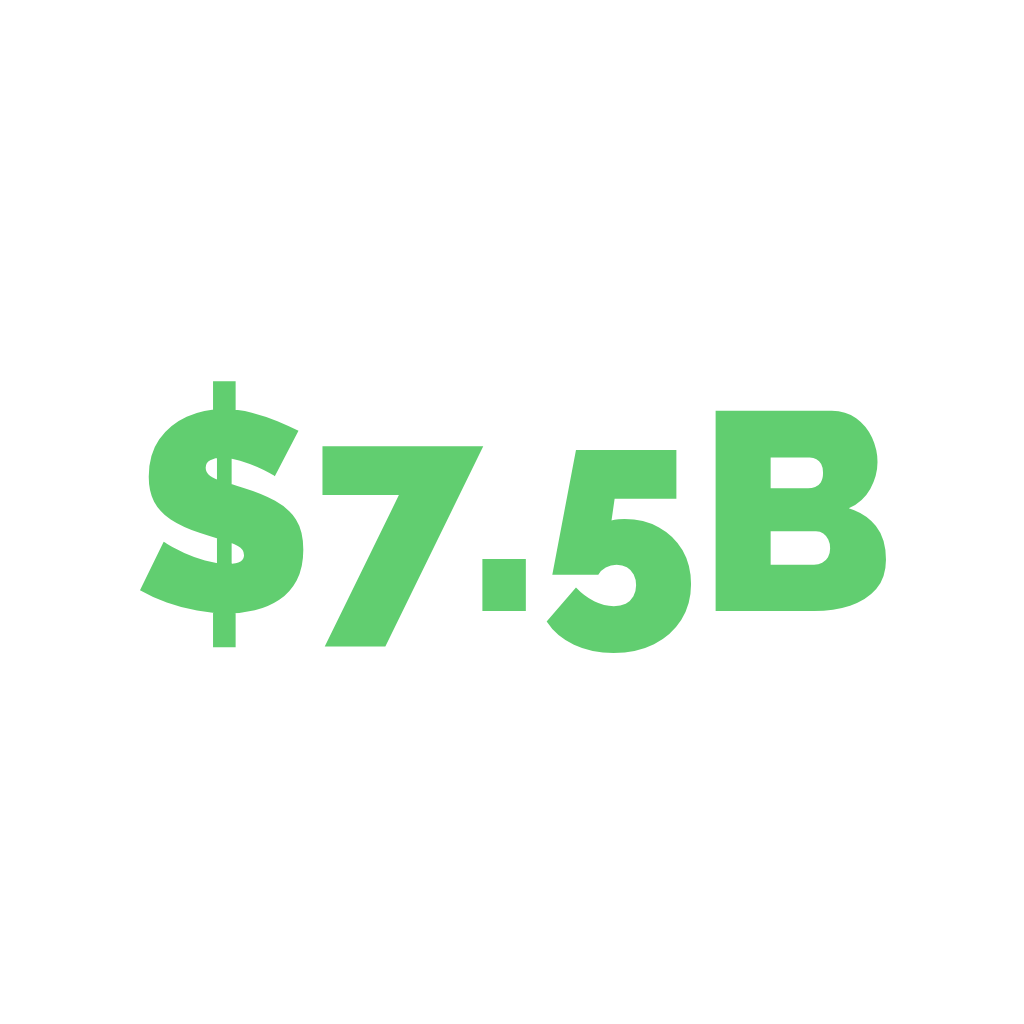 EdTech market value, 2024 | 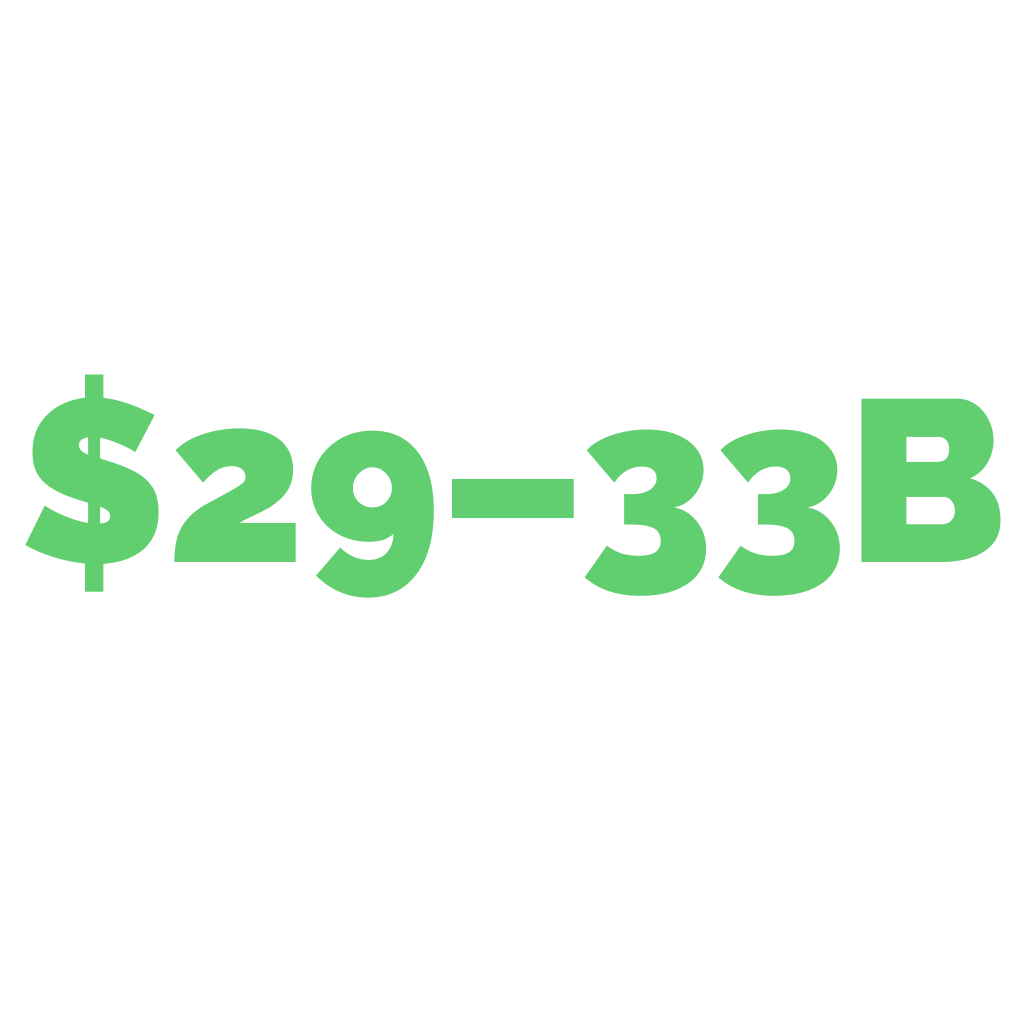 Projected by 2030–34 (CAGR 27.94%) | 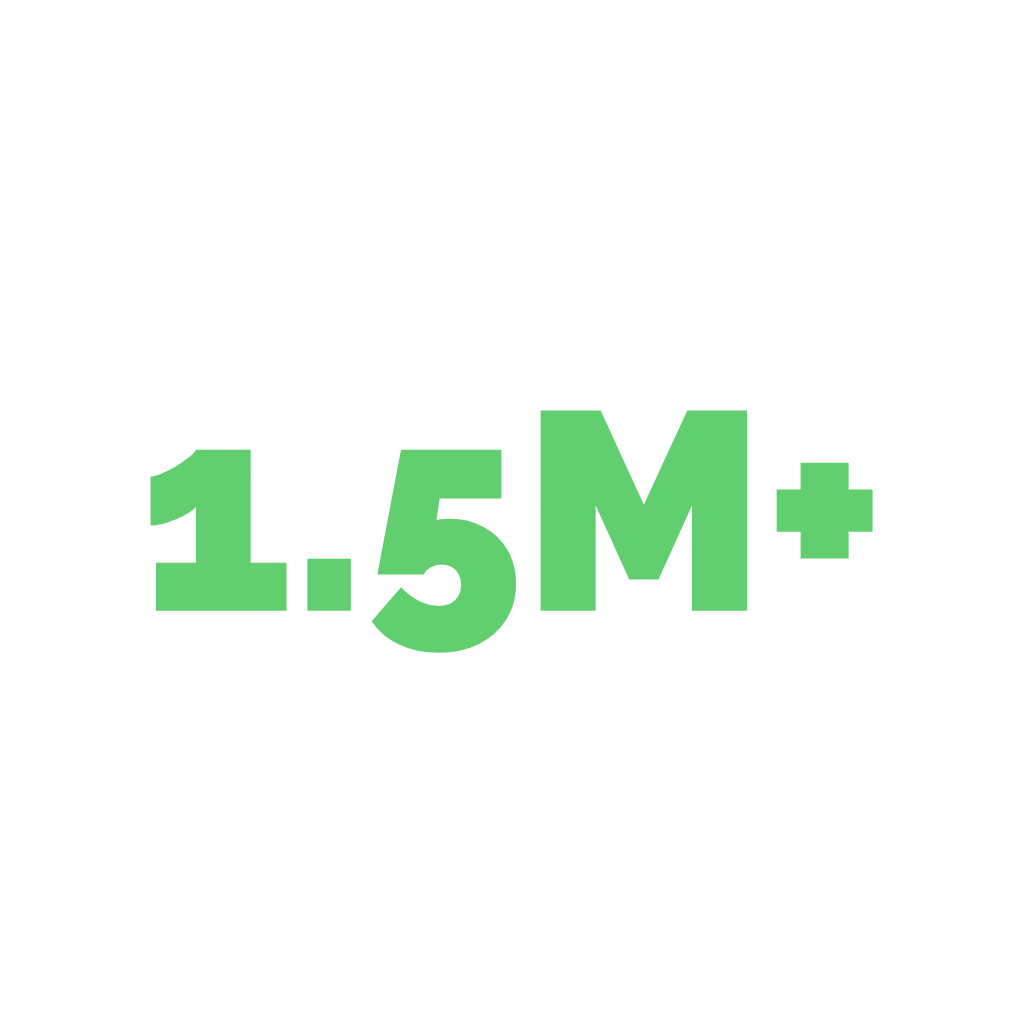 Schools — only 0.6% digitally served | 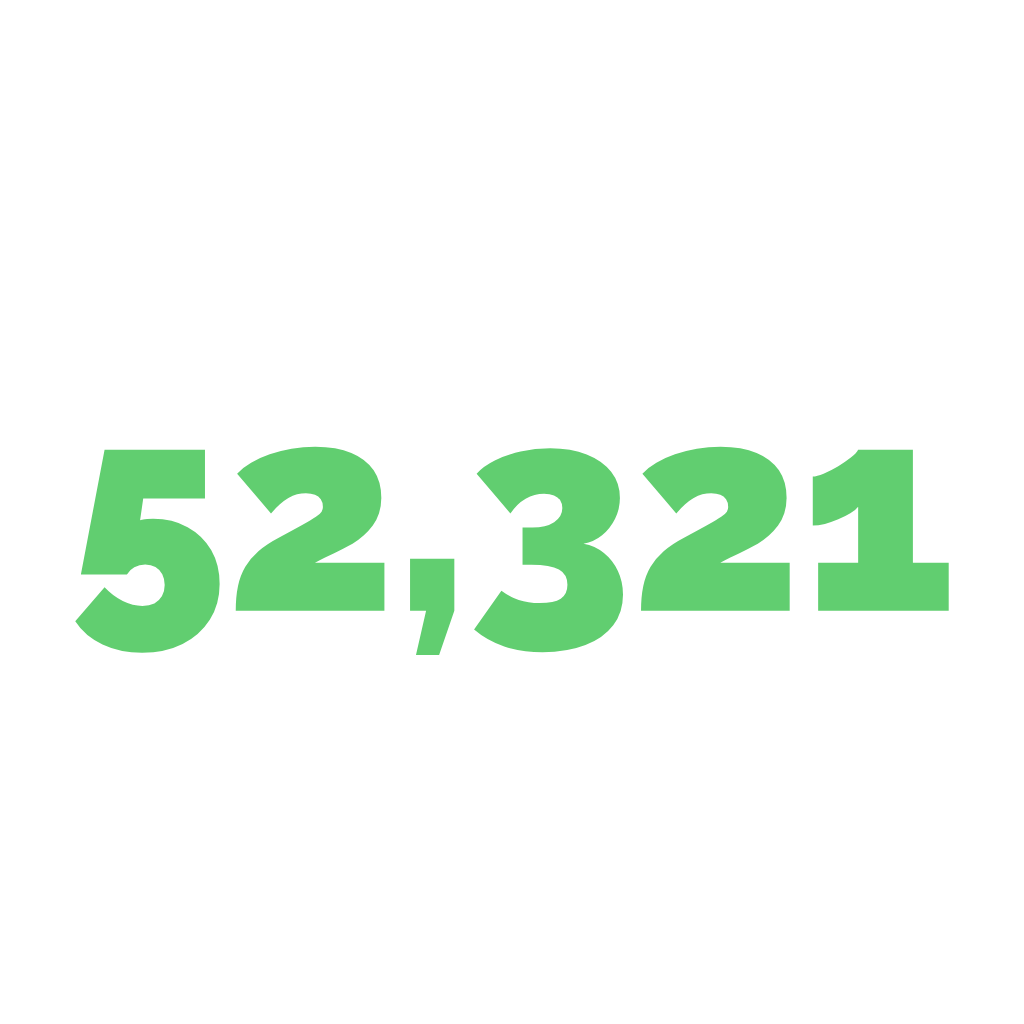 Colleges as of FY26 |
1. The Race Everyone Is Watching — and the Market Nobody Is Counting
India’s EdTech sector made headlines again in March 2026 when upGrad signed a term sheet to acquire a 100% stake in Unacademy — one of the largest consolidation moves in the sector since BYJU’s bought Aakash for $1 billion at the peak of the 2021 boom. With PhysicsWallah posting ₹2,887 crore in operating revenue in FY25 and a combined upGrad-Unacademy entity expected to cross ₹2,400 crore, the consumer EdTech market is clearly narrowing to a two-player race.
But here is what that framing misses entirely: the B2C consumer EdTech war — however dramatic — represents only a fraction of India’s total EdTech market opportunity. The larger, more structurally durable, and almost entirely underpenetrated layer is institutional: the 1.5 million schools, 52,321 colleges, and 16,000+ preschools across India that are in various stages of digital adoption and that represent the true engine of India’s EdTech industry growth for the next decade.
That is the market this article is about. And for UK and US EdTech providers, it is the market that matters most.
2. The Numbers Behind India’s EdTech Industry Growth
India’s EdTech market was valued at $7.5 billion in 2025 (IBEF; IMARC Group) and is projected to reach $29–33 billion by 2030–34 at a CAGR of 27.94% — making it the fastest-growing EdTech market of any major economy. The sector grew from $700–800 million in 2021 to $7.5 billion in 2025, a roughly 10x expansion in four years.
India accounts for 91% of South Asia’s EdTech innovation output (HolonIQ, 2025 South Asia EdTech 100). The country has over 12,400 active EdTech companies, has produced seven unicorns, and has attracted $14.3 billion in cumulative funding. The broader K-12 education segment — within which EdTech is embedded — is valued at $48.9 billion and projected to reach $125.8 billion by FY32 (IBEF).
The market also rebounded sharply in H1 2025 after two years of correction: EdTech funding surged fivefold to approximately $120 million across 11 deals (IBEF), driven by AI-led startups and renewed investor confidence following PhysicsWallah’s landmark IPO in November 2025 — India’s first pure-play EdTech company to go public, listing at a 33–42% premium to issue price.
3. EdTech Market Share in India: Who Owns What
| Segment | 2025 Market Share | Leading Players | Key Characteristic |
| K-12 Learning | 43% | PhysicsWallah, BYJU’s, Vedantu, LEAD School | Largest segment; dominated by test prep & supplemental learning; NEP 2020 driving institutional adoption |
| Test Preparation | ~25% | PhysicsWallah, Adda247, Allen Online, Unacademy | JEE/NEET/UPSC pipeline; 2M+ aspirants annually; highest willingness-to-pay among consumer segments |
| Higher Ed & Upskilling | ~20% | upGrad, Eruditus, Simplilearn, Great Learning | Working professionals; corporate L&D partnerships; executive education led by Eruditus (₹3,800 Cr revenue, FY25) |
| Early Years & B2B Tools | ~12% | Cuemath, Classplus, Teachmint, byteXL | Fastest-growing for international providers; teacher tools, LMS, school ERP, preschool curriculum |
| K-12 dominates EdTech market share in India at 43% — but within K-12, the fastest-growing sub-segment is not consumer tutoring. It is the B2B institutional layer: school-integrated programmes, LMS platforms, and teacher development tools. LEAD School alone serves 9,000 schools, 50,000 teachers, and 5 million students — and notes that against 1.5 million total schools in India, it has barely scratched the surface. |
4. The Institutional Gap: Where the Real EdTech Opportunity Sits
India’s B2C EdTech platforms have captured enormous attention and significant capital. But the institutional layer — schools, colleges, and preschool networks that procure technology, curriculum, and teacher tools at scale — remains structurally underpenetrated. This is the gap that the two-horse consumer narrative obscures.
Consider the numbers: India has 1.5 million schools, but only a fraction have meaningfully adopted EdTech beyond government-mandated platforms. India has 52,321 colleges and 1,355 universities as of FY26, yet institutional EdTech penetration in higher education is concentrated among the top-tier institutions. India has 16,000+ preschools, most of which lack any structured digital learning infrastructure at all.
The B2B signal is already present in what domestic players are doing. PhysicsWallah is investing $10 million in its Vidyapeeth School Centre programme — school-integrated coaching rolled out across 45 schools, with a target of 300 by 2025–26. LEAD School — a pure-play B2B EdTech unicorn — is expanding its 9,000-school footprint and calls the remaining 1.49 million schools a multi-decade addressable market. Both Eruditus and upGrad are deepening enterprise and institutional partnerships. The B2B shift is not a trend — it is a structural reorientation of where the sector’s durable revenue sits.
| For international EdTech providers, the B2B institutional channel is where the structural advantage lies. Domestic consumer platforms have deep cultural tuning, brand loyalty, and vernacular-language depth that is hard to compete with from outside India. But institutional procurement — curriculum frameworks, assessment tools, teacher professional development, LMS platforms, STEAM labs, ELT content — is precisely where UK and US EdTech companies have a natural product-market fit. |
5. Three Growth Drivers Powering EdTech Industry Growth in India Through 2030
• NEP 2020 as institutional mandate: India’s National Education Policy 2020 has created a policy-level obligation for schools and colleges to adopt technology-integrated learning. Government platforms SWAYAM and DIKSHA have 58 million and 33 million users respectively — building a public digital infrastructure that creates awareness and acceptance for institutional EdTech procurement across all tiers.
• AI-led vernacular expansion: The integration of AI into India’s EdTech is moving from feature to foundation. PhysicsWallah’s Alakh AI serves 46 million students in five vernacular languages. Infinity Learn’s AINA resolves doubts in nine languages via Google Cloud. As AI-driven personalisation extends into Tier 2 and Tier 3 cities — where 70% of India’s school-age population lives — the institutional addressable market expands from premium urban schools to the entire national system.
• IPO pipeline unlocking a new growth phase: PhysicsWallah’s November 2025 IPO — listing at a 33–42% premium — was the sector’s trust signal. Eruditus, upGrad, Vedantu (targeting a $150–200M IPO by 2027–28), and Imarticus are all in the IPO pipeline. Public market capital will fund physical and institutional expansion, creating new infrastructure into which international EdTech products can be distributed.
6. What This Means for Global EdTech Providers: The Entry Window Is Now
The EdTech market share and industry growth data point to a consistent conclusion: the B2C consumer market is consolidating around domestic players with deep competitive moats. The institutional channel — where global providers can enter with curriculum differentiation, international pedagogy credibility, and product categories that domestic platforms do not serve — is growing, underpenetrated, and actively seeking international solutions.
India Market Entry (IME) works specifically with UK and US EdTech companies to navigate the institutional channel, with direct access to 6,600+ K-12 schools, 2,000+ higher education institutions, 16,000+ preschools, and 1,800+ resellers across India. Through Knotral Trainings (training.knotral.com) — IME’s own professional development platform with 12,000+ trained educators and 45+ global EdTech brand partners — international providers can build institutional brand credibility before the first sales conversation.
| The two-horse B2C race will play out on its own terms. But the $29 billion institutional EdTech market in India is a different race — one that international providers can win if they enter with the right distribution strategy, the right product positioning, and the right on-ground partner. Speak to IME: contact@indiamarketentry.com |
Frequently Asked Questions
Q: What is the edtech market share in India by segment in 2025?
K-12 learning leads India’s EdTech market share at 43% in 2025 (IMARC Group), driven by India’s 250M+ school-age population and competitive exam preparation culture. Test preparation holds approximately 25% of market share, higher education and upskilling around 20%, and early years and B2B tools approximately 12%. Within K-12, the fastest-growing sub-segment is institutional B2B — school-integrated programmes, LMS platforms, and teacher development tools.
Q: What is driving edtech industry growth in India?
Three structural drivers: NEP 2020’s mandate for technology integration across all schools and colleges (backed by government platforms SWAYAM with 58M users and DIKSHA with 33M users); AI-led vernacular expansion extending EdTech reach from premium urban schools into Tier 2 and Tier 3 cities; and a maturing IPO pipeline — PhysicsWallah’s November 2025 listing at a 33–42% premium unlocked fresh institutional expansion capital across the sector.
Q: What is the size of the edtech market in India in 2025?
India’s EdTech market was valued at $7.5 billion in 2025 (IBEF; IMARC Group) and is projected to reach $29–33 billion by 2030–34, growing at a CAGR of 27.94%. India is the world’s second-largest e-learning market after the United States, with over 12,400 active EdTech companies, seven unicorns, and $14.3 billion in cumulative funding raised to date.
Q: What is the B2B edtech opportunity in India?
India has 1.5 million schools, 52,321 colleges, and 16,000+ preschools, the vast majority of which are in early stages of EdTech adoption. The institutional procurement channel — curriculum, LMS platforms, assessment tools, STEAM labs, teacher professional development, and ELT content — is growing rapidly but is structurally underpenetrated compared to the consumer market. LEAD School, a pure-play B2B EdTech unicorn serving 9,000 schools, estimates it has reached less than 1% of India’s total school market.
Q: How can UK and US EdTech companies enter India’s institutional market?
The most effective route is through the institutional distribution channel — partnering with school groups, college networks, and preschool chains who make centralised procurement decisions. International providers should position their products as complementary to NEP 2020 frameworks, price for India’s tiered market, and build institutional brand awareness before direct sales. Working with a specialist India education market entry partner — such as IME — provides immediate access to 6,600+ K-12 schools, 2,000+ HEIs, 16,000+ preschools, and 1,800+ resellers, bypassing years of cold outreach.
Explore India’s institutional EdTech opportunity with IME
indiamarketentry.com | training.knotral.com | contact@indiamarketentry.com | +91 88001 06877
REFERENCES:
1. IMARC Group — India Edtech Market Size, Share, and Forecast 2026–2034 (CAGR 27.94%; $3.63B in 2025; K-12 at 43%) — https://www.imarcgroup.com/india-edtech-market
2. IBEF (India Brand Equity Foundation) — Education Sector India: Higher Education Trends & EdTech Data (FY26) — https://www.ibef.org/industry/education-sector-india
3. Inc42 — Why India’s Edtech Sector Looks Like A Two-Horse Race (March 2026; PW ₹2,887 Cr revenue; upGrad-Unacademy deal) — https://inc42.com/features/why-indias-edtech-sector-looks-like-a-two-horse-race/
4. The PIE News — PhysicsWallah Becomes First Indian EdTech Unicorn to Go Public (November 2025; IPO premium 33–42%) — https://thepienews.com/physicswallah-becomes-first-indian-edtech-unicorn-to-go-public/
5. The PIE News — Indian EdTech Up 3% in 2024, Driven by PhysicsWallah (Inc42 data; PW $210M funding Q1–Q3 2024) — https://thepienews.com/indian-edtech-up-3-in-2024-driven-by-physicswallah/
6. HolonIQ — 2025 South Asia EdTech 100 (India: 91% of regional EdTech innovation output) — https://www.holoniq.com/notes/2025-south-asia-edtech-100
7. YourStory — B2B Segment Emerges from the Shadows as EdTech Startups Diversify (LEAD School 9,000 schools; PW $10M Vidyapeeth School Centre) — https://yourstory.com/2023/09/b2b-emerges-from-shadows-edtech-startups-diversify-offerings
8. ABC Money — India EdTech Consolidation Marks Pandemic Boom’s End (upGrad-Unacademy all-stock deal; Unacademy valuation below $500M) — https://www.abcmoney.co.uk/2026/03/india-edtech-consolidation-marks-pandemic-booms-end
9. Invest India — Opportunities in India’s EdTech Industry (100% FDI under automatic route; government digital infrastructure) — https://www.investindia.gov.in/blogs/opportunities-indias-edtech-industry-driving-innovation-and-accessibility
10. DU School of Business / SSCBS — EdTech Industry Report 2025 (B2B vs B2C revenue models; India vs global comparison) — https://sscbs.du.ac.in/wp-content/uploads/2025/09/EdTech-Industry-Report.pdf
11. IMARC Group — Top Factors Driving Growth in India EdTech Industry (AI in EdTech; Vedantu $11M round Sep 2025; 900M+ internet users) — https://www.imarcgroup.com/insight/top-factors-driving-growth-india-edtech-industry
12. IndiaMarketEntry.com — Why India Is the Next Big EdTech Market: 2026 Opportunities for UK & US Companies — https://indiamarketentry.com/india-edtech-market-opportunities-for-uk-us-companies/